
Irish Rail unveils preferred route for new Dublin–Navan DART line
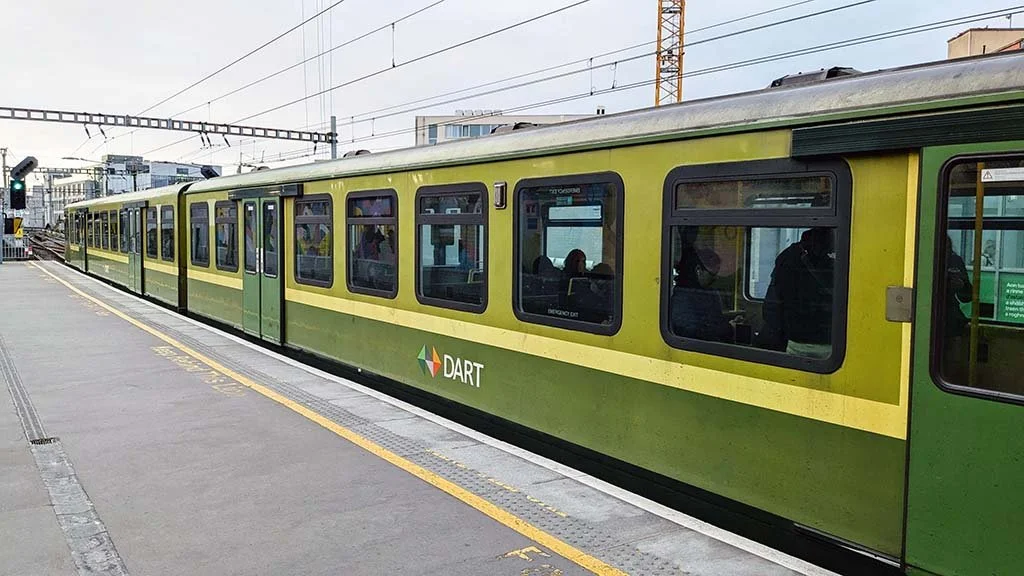
Image credit: Matt Walsh
Plans to restore passenger rail services to Navan have taken a significant step forward, with Iarnród Éireann publishing its preferred route for a new 34km electrified railway line linking the County Meath town with Dublin.
The proposals, unveiled on 12 November 2026, include four new railway stations, DART services every 15 minutes at peak times and a journey time of around an hour between Navan and Dublin Connolly.
A second round of public consultation on the project is now underway and will run until 10 December 2026.
The proposed Dublin–Navan railway route
The new railway will extend the DART+ West network northwards from the existing M3 Parkway station, following much of the old Dublin–Navan railway line, which closed to passenger services in the 1960s.
Four new railway stations are planned along the route:
Dunshaughlin – to the west of the town.
Kilmessan – to the west of the village, with access from the L2205 road.
Navan Central – between Carriage Road and Trim Road.
Navan North – off Ratholdren Road, along the former Kingscourt railway line.
The plans also make provision for connections with local bus services, walking and cycling routes, and park-and-ride facilities.
DART services between Navan and Dublin
Despite its considerable growth in recent decades, Navan remains Ireland's largest town without a passenger rail service. Those commuting to Dublin currently rely on bus services or private cars to make the journey.
The new railway would bring a substantial increase in public transport capacity to this part of the Greater Dublin Area, with the line capable of carrying up to 4,400 passengers per hour in each direction.
At peak times, passengers could expect a DART service every 15 minutes, with a journey from Navan to Dublin Connolly taking approximately 60 minutes.
As well as serving commuters travelling into Dublin, the railway would provide a new public transport connection between several towns and communities in County Meath.
Changes to the original proposals
Iarnród Éireann received 1,520 submissions during its first public consultation on the Navan railway project, which ran from May to July of this year.
A number of changes have since been made to the plans, following public feedback and further technical assessments of the route.
These include adjustments to the railway alignment at Rathregan and Leshemstown, and changes to the route in south Navan to allow for the possible addition of another railway station at a later date.
The park-and-ride facility proposed for Dunshaughlin has also been moved to a site immediately beside the planned railway station.
Project timeline
While the publication of the preferred route is welcome news for commuters in County Meath, the return of passenger trains to Navan is still some years away.
Iarnród Éireann expects to submit a Railway Order application to An Coimisiún Pleanála in 2028. The Government is aiming to have planning permission in place by the end of the decade, with construction beginning shortly afterwards.
No opening date has been announced, however, and the project remains subject to planning approval and funding.
Public consultation and information events
As part of the second public consultation, Iarnród Éireann is holding a number of information events over the coming weeks. These will give members of the public an opportunity to view the updated plans and discuss the proposals with the project team.
The events will take place as follows:
Navan: Wednesday 18 November, Solstice Arts Centre, 4pm–8pm.
Kilmessan: Tuesday 24 November, Station House Hotel, 4pm–8pm.
Online webinar: Tuesday 1 December, 7pm.
Dunshaughlin: Thursday 3 December, Pastoral Centre, 3pm–8pm.
The consultation closes at 5pm on Thursday 10 December 2026.
Detailed route maps, station plans and an online consultation response form can be accessed via the Iarnród Éireann Navan railway project website.