
NTA sets out transport priorities for Dublin in 2026–2030 strategy
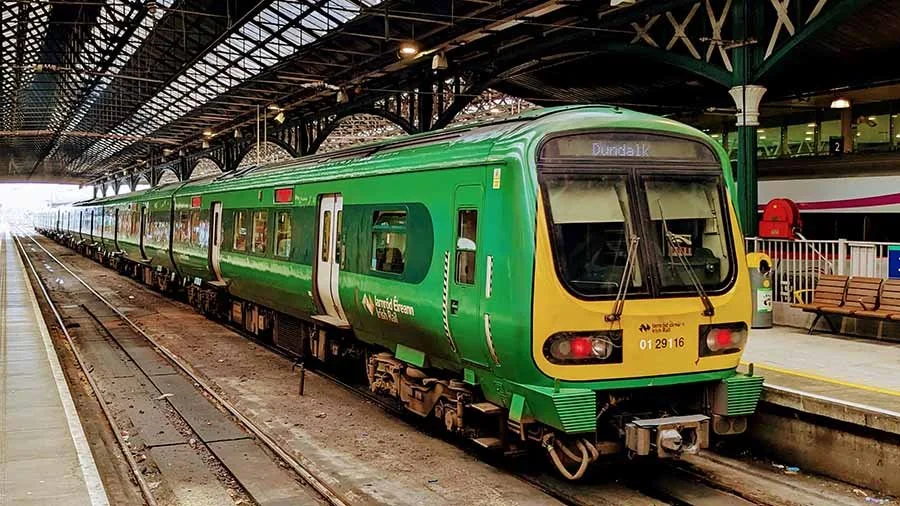
Image credit: Matt Walsh
The National Transport Authority (NTA) has published its Statement of Strategy for 2026–2030, outlining its priorities for public transport, active travel and regulation over the next five years.
While the document applies nationally, a significant portion of the programme relates to Dublin and the Greater Dublin Area (GDA), where the NTA holds statutory responsibility for transport strategy, demand management and investment in public transport infrastructure.
The strategy aligns with the updated National Development Plan 2026–2035, which provides for €275.4 billion in public capital investment over the decade. Of this, €24.3 billion is allocated to transport, including €2.0 billion for MetroLink. For the period 2026–2030, approximately €12.1 billion is earmarked for public transport and €1.8 billion for active travel and greenways.
In Dublin, the NTA states that it will advance MetroLink up to and including the commencement of construction. It also plans to continue the rollout of BusConnects Dublin, including the completion of core bus corridors.
Further rail measures include the commencement of DART services on the Northern line to Drogheda and the South-East line to Wicklow, alongside construction of DART+ West and, subject to funding, DART+ South-West. The strategy also refers to replacing the Luas Red Line tram fleet, increasing capacity on the Green Line and commencing construction of Luas Finglas.
The document notes that planning consent will be sought for a new coach station at Heuston or another identified hub location, and that a number of strategic park-and-ride facilities are to be delivered.
Alongside major infrastructure, the NTA intends to implement 800km of active travel projects nationally during the strategy period. The strategy also states that a transport demand management scheme for the Greater Dublin Area will be designed and published.
Ireland’s transport sector is required to halve carbon emissions by 2030. The NTA outlines measures including increasing the share of journeys made by walking, cycling and public transport, transitioning 75% of urban bus services to zero or low-emission vehicles, and further electrification of fleets.
Passenger-facing commitments include completing the national rollout of Next Generation Ticketing, including mobile phone and debit/credit card payments, and transitioning to a single Automatic Vehicle Location system for PSO bus services. The strategy also refers to upgrades to bus stops in line with TFI standards and the retrofit of ten additional railway stations to meet accessibility requirements.
The document confirms that the NTA will engage with the Department of Transport and stakeholders on the establishment of a Transport Security Force to strengthen security arrangements on public transport.
It also identifies a number of delivery risks, including funding constraints, labour shortages — particularly bus drivers and mechanics — planning delays, compliance requirements and cyber risks.
Speaking at the launch, Anne Shaw, CEO of the National Transport Authority, said the organisation would work with partners to deliver infrastructure and services that connect people to opportunity, while maintaining its values of inclusivity and public service as it continues to expand its role.
You can access a downloadable version of the NTA’s Statement of Strategy 2026-2030 here.